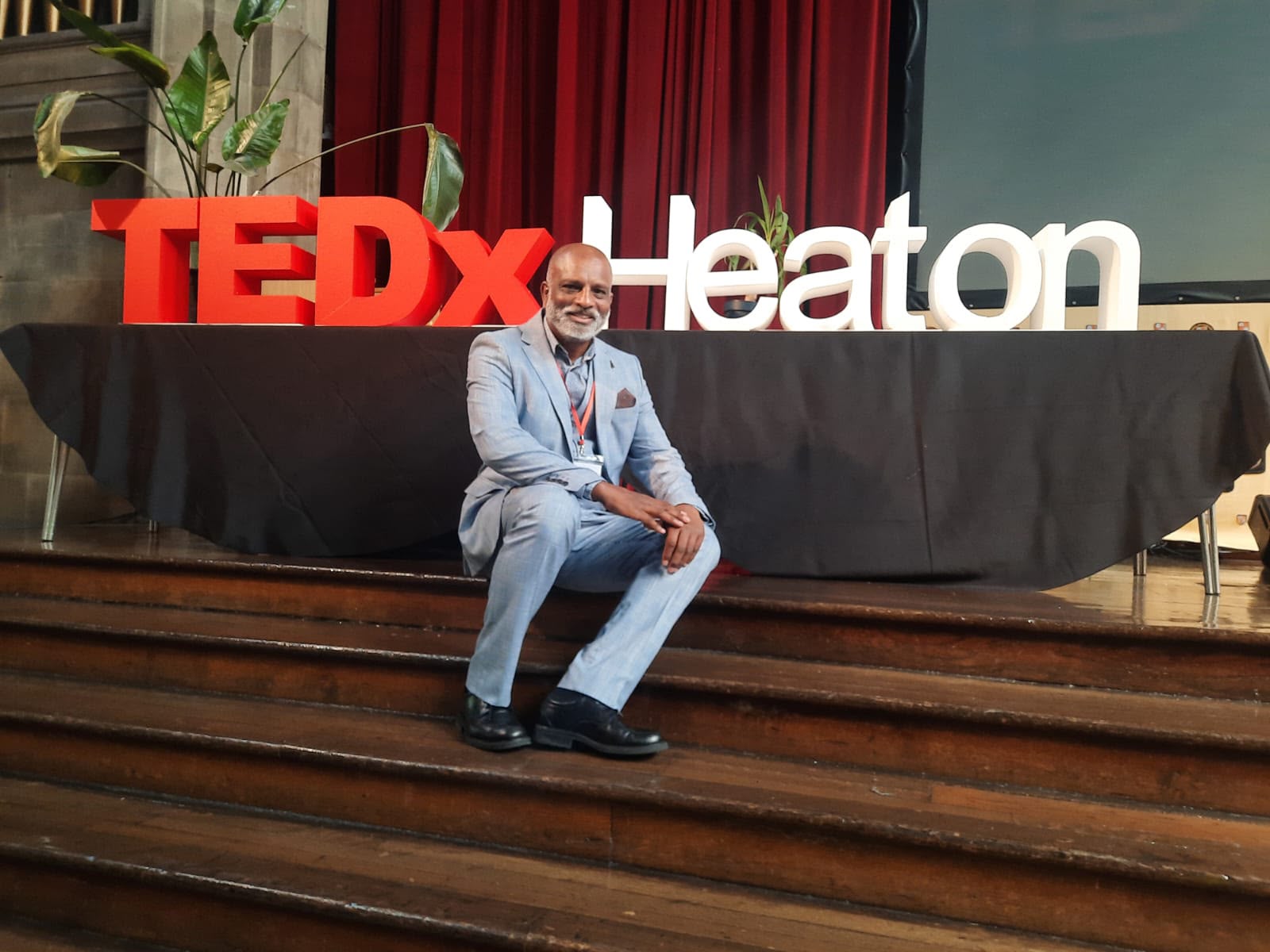
The path from white belt to black belt represents the core of the black belt mindset, which is fundamentally based on Shoshin—a Japanese Zen concept meaning “beginner’s mind.” This empowering philosophy invites individuals to cultivate openness, curiosity, and a non-judgmental attitude across all areas of life, including work, personal relationships, and self-exploration. In a society that often prioritizes expertise and immediate solutions, Shoshin acts as a crucial counterbalance, highlighting the importance of fresh perspectives.
As Raj Soren explains in Black Belt Mindset for Life and Business, “In the beginner’s mind, there are many possibilities.” This observation emphasizes the vast potential that arises when we view challenges and experiences with curiosity and a willingness to learn. Embracing a beginner’s mindset can unlock creativity, improve problem-solving skills, support personal growth, and foster healthier relationships. Additionally, it significantly contributes to mental well-being and resilience, providing a refuge from the pressures related to achieving perfection and high performance.
By incorporating Shoshin into our lives, we foster clarity and creativity whether learning new skills, transitioning careers, or striving to be more present in our daily activities. This mindset shifts our focus from seeking immediate results to embracing exploration and understanding, enriching our engagement with various pursuits.
Key principles of Shoshin include:
Questioning Assumptions: A key tenet of the beginner’s mind is the readiness to challenge established beliefs and traditional wisdom. By regularly asking “Why?” and “What if?”, we can discover new insights and options that we may have previously overlooked.
Embracing Learning: Adopting a continuous learning mindset encourages us to view every experience—good or bad—as a valuable opportunity for growth. This perspective allows us to enjoy the journey of learning rather than focusing solely on outcomes.
Releasing Ego: By setting aside the need to appear as the expert, we open ourselves to collaboration and innovation. This humility enables us to learn from others, no matter their level of experience.
Staying Curious: By committing to curiosity, we engage more deeply with our surroundings. Seeking out questions and new experiences can lead to meaningful discoveries and enhanced connections with those around us.
Soren aptly notes that “in the expert’s mind, there are few.” This truth illustrates that an excessive focus on expertise can limit our potential for growth and innovation. When we restrict ourselves to established knowledge and routines, we risk stagnation and become resistant to new ideas.
By nurturing a beginner’s mindset, we not only unlock countless possibilities but also develop deeper connections with ourselves and others. This enriching perspective encourages resilience in the face of challenges and fosters a lifelong love of learning, ultimately guiding us to a more fulfilling and enriched existence. The transition from white belt to black belt, therefore, is not merely a technical or physical advancement; it represents a profound shift in mindset and spirit, grounded in the timeless wisdom of Shoshin.