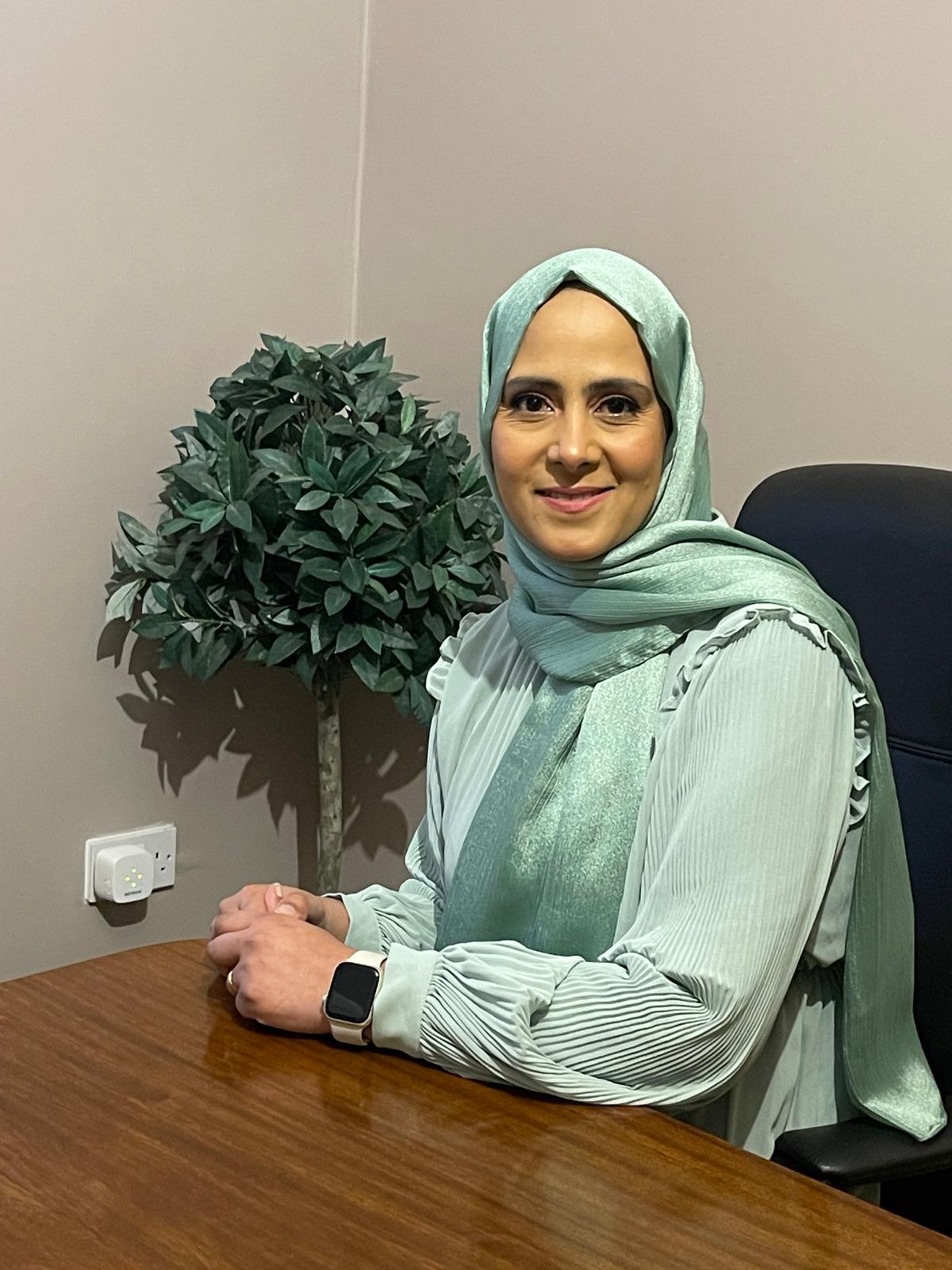
“EKOMBI AND THE MYSTERIOUS DRUM ” WRITTEN BY ESTHER BASSEY ETIM, BASED IN CALABAR NIGERIA

EKOMBI AND THE MYSTERIOUS DRUM

It was an ordinary afternoon in an Efik village by the river.

The sun was beginning to soften, and the heat that had held the village captive all day was slowly giving way to a cool breeze from the water.

A group of young women had gone to the river.

Some came to wash.

Some came to fetch water.

Others simply wanted to sit by the shore, talk, laugh and enjoy the evening breeze before returning home.

Nobody knew that before sunset, they would witness something they would never forget.

The river was unusually calm.

Not a single strong wave disturbed its surface.

The women were talking when suddenly…

BOOOOOOM!

Everyone froze.

A deep drumbeat came from somewhere beneath the water.

The women looked at one another.

“What was that?”

Nobody answered.

Then it came again.

BOOM… BOOM… BOOOOOOM!

This time, the sound was louder.

The water trembled.

One of the women dropped the calabash in her hand.

Another immediately stepped away from the river.

“Let’s go!”

But before anyone could move…

BOOM!

The women felt something strange pass through their bodies.

It began in their feet.

Then their knees.

Then their hips.

Their arms lifted almost at the same time.

They stared at one another in terror.

“What is happening to us?”

Nobody knew.

They tried to lower their hands.

They couldn’t.

Their bodies began to move.

Slowly at first.

A gentle sway from side to side.

Then their shoulders followed.

Their arms curved through the air like the movement of waves.

Their waists began to roll.

Their knees bent softly and rose again.

They stepped forward…

then backward…

turning their bodies as though an invisible current was carrying them.

They were not choosing the movements.

Something was moving them.

The women cried out.

But even as they screamed, their bodies continued to dance.

And then they heard it.

Not just the drum.

There was something else beneath it.

A deep, rhythmic sound rising from the depths of the river.

Boom…

The women swayed.

Boom… boom…

They turned.

BOOOOOOM!

Their bodies moved together.

Suddenly, they were no longer frightened.

They began to feel the rhythm.

Their fear disappeared.

Their movements became graceful.

Their arms rose and fell like waves.

Their waists moved with the gentle rocking of a canoe.

Their feet touched the ground lightly, as though they were walking upon water.

They bent low…

then rose.

They turned…

then swayed.

They moved in perfect harmony.

It was beautiful.

It was terrifying.

It was as though the river had borrowed their bodies.

And the strange thing was…

the music had no drummer.

There was nobody on the shore.

Nobody in a canoe.

Nobody beating a drum anywhere in sight.

The sound was coming from beneath them.

From beneath the river.

Back in the village, people heard the same thing.

A mother preparing food suddenly stopped.

A man repairing his fishing net lifted his head.

Children playing outside became silent.

Then the drum rolled again.

BOOM… BOOM… BOOOOOOM!

The mother dropped the wooden spoon in her hand.

Her shoulders moved.

She tried to stop herself.

She couldn’t.

Her waist began to sway.

Her feet started moving.

Across the village, the same thing was happening.

A woman carrying firewood began to move.

A young girl fetching water began to sway.

Even the women who had never heard the mysterious sound before suddenly found themselves moving to a rhythm they could not explain.

One woman screamed,

“Why am I dancing?”

But she kept dancing.

Another laughed.

Another cried.

Another simply stood there, staring at her own moving hands.

The entire village seemed to have become one body.

And the rhythm continued.

BOOM…

The women moved.

BOOM… BOOM…

They turned.

BOOOOOOM!

They swayed like the waves of the river.

At the shoreline, the first group of women were now dancing faster.

Their movements became more confident.

One stretched both arms outward and moved them slowly from side to side, like waves spreading across the water.

Another bent her knees and rose gently, her body following the rise and fall of the tide.

Another turned in a slow circle, her waist flowing behind her.

Soon, they began moving together.

Not because anyone had taught them.

Not because they had rehearsed.

But because the rhythm seemed to be teaching their bodies what to do.

And then something even more frightening happened.

The river began to move.

The water that had been completely still moments earlier started forming small waves.

The waves rolled toward the dancers.

One after another.

As though the river itself was watching them.

As though it was pleased.

Then…

silence.

The drum stopped.

The dancers froze.

Nobody moved.

Nobody spoke.

The river became still again.

For several seconds, the only sound was the wind.

Then one of the women whispered:

“Who was playing that drum?”

Nobody knew.

They searched the shore.

They searched the canoes.

They looked across the river.

There was no drummer.

Nothing.

Only the water.

An elderly woman who had witnessed everything slowly stepped forward.

She looked at the dancers.

Then she looked at the river.

Her voice trembled.

“The water has shown us something.”

Everyone gathered around her.

“What did it show us?”

She looked at the women.

“A dance.”

The women looked at their hands.

They were still trembling.

The old woman smiled.

“You were not dancing for the river.”

She paused.

“The river was dancing through you.”

Nobody spoke.

From that day, the women began practising the movements they had experienced at the river.

They remembered the slow sway.

The bending of the knees.

The rolling of the waist.

The graceful movement of the arms.

The turning of the body.

The rise and fall.

The rhythm of the waves.

They taught other women.

The women taught their daughters.

The daughters taught another generation.

And slowly, the mysterious dance that began at the river became part of the people’s celebrations.

The drums were added.

Songs were created.

Costumes became part of the performance.

And whenever the dancers stepped forward, they moved with the same graceful rhythm they had first discovered beside the water.

They called it Ekombi.

The dance that carried the movement of the sea.

Years passed.

The mysterious drumbeat was never heard beneath the river again.

But the dance remained.

And even today, when an Ekombi dancer raises her hands…

when her waist begins to sway…

when her body bends and rises like the tide…

when the drums begin to speak…

it is almost as though the old river is remembering that evening.

The evening when the water called.

The women answered.

And for one unforgettable moment…

the sea came out of the water and danced through them. 🌊💃🏽

✨✍🏽 Written by: ESTHER BASSEY ETIM (Obong Awan II 🖊️)

Fictional story inspired by Efik culture and the graceful movements of Ekombi.

❤️ If you love my stories, please like, comment, share and follow for more beautiful stories about African culture, history and traditions

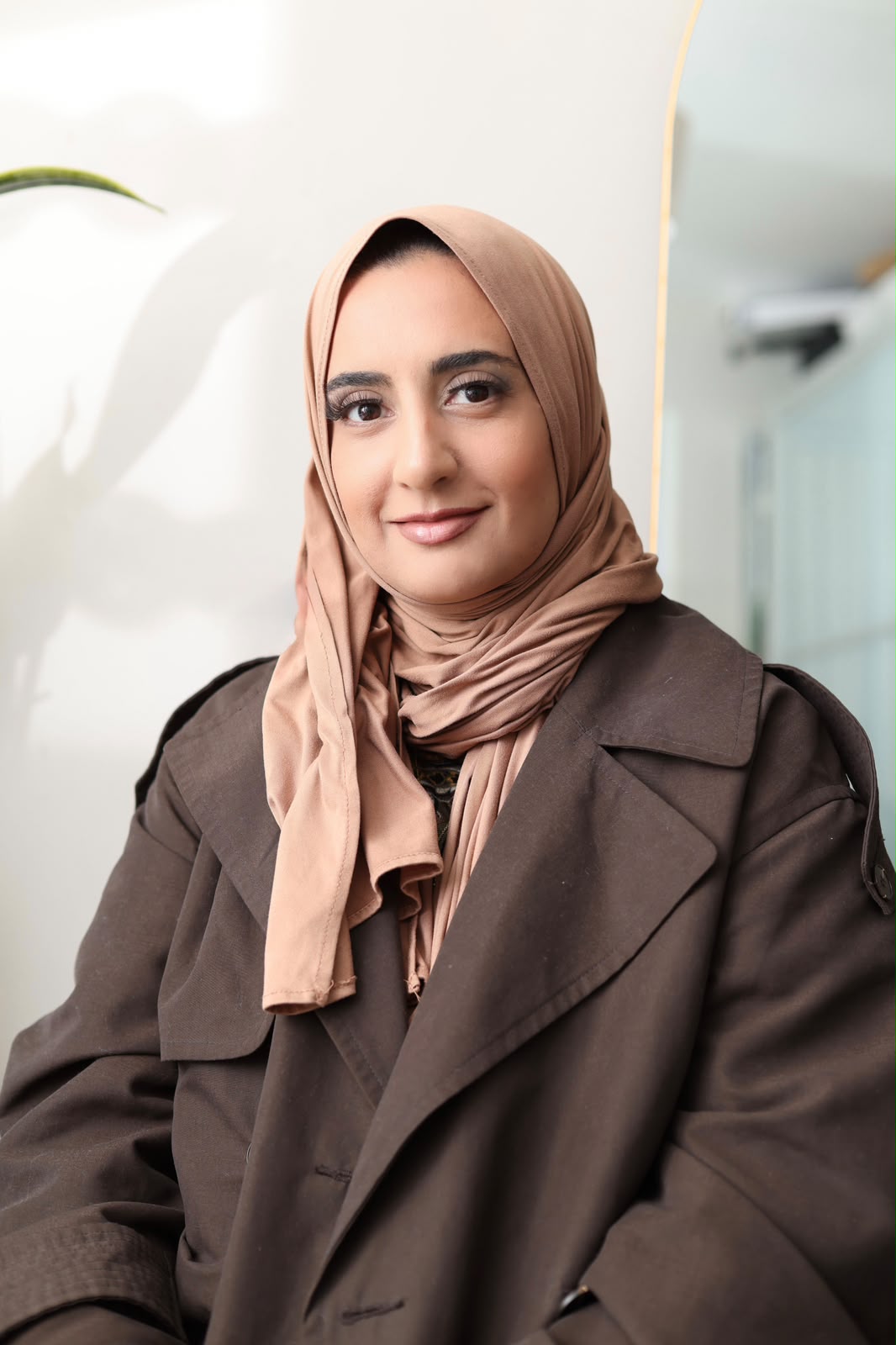
ROLE MODEL OF THE WEEK , ESTHER BASSEY ETIM – WRITER AND CONTENT CREATOR FROM CROSS RIVER STATE, NIGERIA

I am Esther Bassey Etim, popularly known as ObongAwan II, a graduate of the Department of Theatre and Media Studies, University of Calabar. I am a writer and content creator passionate about storytelling, cultural preservation, and celebrating the rich heritage of the Efik people through creative works. 

“THE BLOOD OD EFIK “- WRITTEN BY ESTHER BASSEY ETIM (OBONGAWAN II )

THE BLOOD OF EFIK🚫

Something is dying among us…

And we pretend not to hear its last breath.

It is not a person.

It is not a building.

It is not a kingdom made of stones.

It is something deeper.

Something invisible…

Yet powerful enough to tell a child who they are.

It is the voice of our ancestors.

The songs of our mothers.

The wisdom hidden in our proverbs.

The language that carried our dreams before the world taught us new names.

Something is dying…

And we call it civilization.

We call it exposure.

We call it the price of moving forward.

But I ask…

When did moving forward mean walking away from ourselves?

When did being educated mean forgetting the language of our first lessons?

When did being accepted by the world require rejecting the very soil that gave us roots?

Because a tree that cuts itself away from its roots does not become free…

It becomes forgotten.

And I fear…

I fear not for the strength of Efik.

For Efik has survived storms.

Efik has crossed waters.

Efik has carried stories through generations.

I fear for the children who may inherit the name…

But never know the meaning.

Children who will wear the beauty of our culture…

But never understand the blood behind it.

Children who will celebrate the colours…

But never hear the voices that chose those colours.

Because culture is not decoration.

Culture is memory.

Culture is identity.

Culture is the heartbeat of a people.

And the heartbeat of Efik must not stop.

Listen closely…

Can you hear it?

The drums are not just making music.

They are calling us home.

The songs are not just melodies.

They are the voices of those who came before us.

The stories are not just stories.

They are footprints leading us back to ourselves.

We are standing on the shoulders of people who refused to disappear.

People who carried their names with pride.

People who opened their doors to the world but never surrendered their identity.

People who knew that hospitality was a gift,

but heritage was a responsibility.

So why are we abandoning what they fought to preserve?

Why are we allowing our own treasures to become strange to us?

Why are we becoming foreigners in the land of our ancestors?

No…

This cannot be our ending.

Not while an Efik child still breathes.

Not while an Efik mother still sings.

Not while an Efik elder still remembers.

Because somewhere inside every Efik son and daughter…

There is a flame.

A flame carried from generations we never met.

A flame protected by hands we never held.

A flame waiting for us to protect it.

So today, I make a promise.

I will not allow my language to become a whisper.

I will not allow my history to become a rumor.

I will not allow my culture to become a relic behind glass.

I will speak.

I will learn.

I will teach.

I will preserve.

Because I am not carrying culture…

I am carrying a kingdom of memories.

I am carrying the laughter of ancestors.

I am carrying the prayers of mothers.

I am carrying the footsteps of warriors.

I am carrying the blood of Efik.

And this blood…

This sacred blood…

Does not forget.

This blood remembers the rivers that raised us.

This blood remembers the hands that built before us.

This blood remembers the names carved into time.

So let the world hear us.

Let the young remember.

Let the forgotten rise.

Let every Efik child know:

You are not empty.

You are not without history.

You are not without a story.

You come from a people whose existence is a testimony.

You come from a people whose roots run deeper than time.

You come from a people whose blood carries a song.

And that song says…

We are Efik.

We have always been here.

And we are not disappearing.

— Esther Bassey Etim (ObongAwan II)

#estherbasseyetim#Efikculture#CultureAndTradition#efikheritage#obongawanii

A STORY OF HERITAGE, A TASTE OF IDENTITY “THE BIRTH OF EKPANG NKUKWO” – BY ESTHER BASSEY ETIM (OBONGAWAN II)

THE BIRTH OF EKPANG NKUKWO 

🍀
🥝

The old storytellers often say that every great meal has a story.

Some are remembered.

Others are forgotten.

But there are a few whose stories are carried by the wind, whispered by rivers, and retold around evening fires long after the storytellers themselves have become ancestors.

This is one of those stories.

Many centuries ago, nestled between emerald forests and quiet creeks, stood a peaceful Efik village called Obio Iwang.

The people of Obio Iwang were known far and wide for their kindness, hospitality, and unity. Their fishermen returned each morning with baskets overflowing with fish. Hunters never came home empty-handed. Their farms produced cassava, yam, cocoyam, vegetables, and fruits in abundance.

The laughter of children echoed through the village every evening.

Cooking fires burned in every compound.

No visitor ever left hungry.

The elders often said,

“As long as Obio Iwang remembers gratitude, the earth will never forget to provide.”

For many years…

That saying proved true.

Until the year everything changed.

The rains came like an army.

Day after day.

Week after week.

The rivers overflowed.

The streams swallowed the footpaths.

Farms disappeared beneath muddy water.

Fishing became dangerous.

Game animals fled deeper into the forest.

The once-proud village slowly surrendered to hunger.

Children cried through the night.

Mothers secretly skipped meals so their little ones could eat.

Strong men returned from hunting with empty hands and lowered eyes.

The cooking fires that once filled the air with fragrant smoke slowly disappeared.

The silence of empty pots became louder than the songs of birds.

At the centre of Obio Iwang stood an ancient silk-cotton tree where the elders gathered whenever the village faced great trouble.

One evening, the chief summoned everyone.

The entire village assembled beneath the great tree.

The old chief looked upon his people.

Never before had he seen so much sorrow in one place.

“My people,” he said softly,

“We have fought the river.

We have fought the forest.

We have fought the rain.

Yet today…

Our greatest enemy is hunger.”

Not a single voice answered him.

Even the children were too weak to cry.

Among those standing quietly in the crowd was an elderly widow named Effioawan.

She owned no wealth.

She commanded no title.

She had no palace.

Yet everyone respected her.

People believed she understood nature better than anyone else.

They said she never took from the earth without first thanking it.

They said she listened more than she spoke.

That night, while the village slept with empty stomachs, Effioawan wrapped a cloth around her shoulders and walked alone into the forest.

The moonlight followed her.

She crossed the flooded paths.

She stepped carefully through the tall grasses until she reached an old cocoyam farm that the floods had somehow spared.

She stood there for a long time.

Then she knelt.

Her wrinkled fingers brushed against the broad green cocoyam leaves.

She noticed how every leaf gently embraced the cocoyam beneath it, shielding it from rain and harsh sunlight.

She smiled.

“The child survives because the mother never lets go.”

Slowly, an idea began to grow.

She harvested a few cocoyams.

She carefully plucked only the youngest leaves.

Then she hurried back to Obio Iwang before dawn.

Inside her little kitchen stood an old clay pot that had served generations before her.

She peeled the cocoyam.

She grated it until it became smooth like fresh cream.

Instead of dropping it directly into the pot…

She wrapped each little portion inside a tender cocoyam leaf.

One…

By one…

Patiently.

Lovingly.

Like a mother wrapping her newborn child.

Into another pot she poured rich red palm oil.

She added crayfish pounded with a wooden mortar.

Fresh pepper.

Dry fish.

Fresh fish.

Periwinkles from the creek.

A little salt.

The aroma slowly awakened the sleeping village.

One after another, the people stepped outside.

Children sniffed the air.

Hunters followed the scent.

Women abandoned their chores.

Even the chief walked towards Effioawan’s compound.

Nobody spoke.

They simply watched.

Effioawan gently lowered each wrapped parcel into the bubbling pot.

The fire crackled.

The palm oil danced.

The aroma rose into the morning sky.

It drifted across every corner of Obio Iwang.

The village had never smelled anything so inviting.

Hours later…

Effioawan lifted the lid.

A cloud of fragrant steam escaped into the air.

The people stared in amazement.

She served the oldest elder first.

With trembling hands, he unwrapped one little parcel.

Inside was soft cocoyam that had absorbed every rich flavour from the soup.

He tasted it.

His eyes slowly filled with tears.

He looked toward the sky before speaking.

“This…

This is not food.

This is hope.”

Soon everyone received a portion.

For the first time in many months…

Children laughed again.

Mothers smiled again.

The cooking fires returned.

Songs filled the air.

Hope had found its way back to Obio Iwang.

The chief rose to his feet.

He looked at Effioawan before addressing the people.

“Today,” he declared,

“we have witnessed wisdom defeating hunger.

This meal shall never be forgotten.

Every leaf shall remind us that protection brings life.

Every wrapped parcel shall remind us that patience creates greatness.

Every pot shall remind us that unity feeds a people.”

From that day onward, the women of Obio Iwang gathered together whenever the meal was prepared.

Grandmothers taught daughters.

Daughters taught their daughters.

Stories were told.

Songs were sung.

Laughter echoed across compounds as hundreds of little parcels were wrapped by hand.

The meal became known as Ekpang Nkukwo.

Not merely because of its ingredients…

But because it reminded the people that the greatest treasures are often hidden inside the simplest things.

And so, whenever the aroma of Ekpang Nkukwo rises from a kitchen, the elders smile and say,

“Perhaps somewhere… Effioawan is smiling too.”

Because legends never truly die.

They simply find another fire around which to be told.

🖋️

 Written by: Esther Bassey Etim (ObongAwan II)

📖

 Author’s Note: This is a fictional, folklore-inspired story created to celebrate the cultural beauty of Ekpang Nkukwo and the Efik people. It is not the documented historical origin of the dish but a work of creative storytelling. 

CELEBRATING THE AMAZING CONTEMPORARY ARTIST – SMIK (STEPHANIE MINIKA) FROM CROSS RIVER STATE, NIGERIA -MAKING A DIFFERENCE IN THE MUSIC INDUSTRY

SMIK (Stephanie Minika) is an African Folk, Afro- gospel, Afrobeat, Contemporary Gospel, and Soul artist creating uplifting music that inspires faith, hope, love, and purpose. Singing in English and multiple African languages, SMIK blends rich African rhythms with soulful melodies and meaningful lyrics that celebrate culture and encourage hearts.

She is from Cross River State Nigeria. Her music represents a raw explosion of African fusion enhanced with natural depth and profound creativity .

Watch this space for her amazing musical initiatives and SUBSCRIBE TO HER YOUTUBE CHANNEL BELOW

https://www.youtube.com/@smik5555

Also watch this space for other social media handles

Business Enquiries: 📧 stephny4life@gmail.comSMIK, African Folk, Afrogospel, Afrobeat, Contemporary Gospel, Soul, Christian Music, African Gospel, Worship Music, Inspirational Songs, Gospel Artist, African Language Songs, Gospel Music Videos.

ROLE MODEL OF THE WEEK, DR BERISFORD LEWIS – SENIOR BUSINESS MANAGEMENT LECTURER

I began my career as a primary school teacher in the late 1980s before embarking on a formative missionary journey to Africa, an experience that broadened my worldview and planted the seeds of a lifelong dedication to community and service through business education. On my return, I spent seven years in the hospitality industry, working as Assistant to the Financial Controller and Duty Manager with Thistle Hotels in London, where I developed a sharp understanding of organisational life and leadership from the inside out.

In 2002, I pursued a PhD in Political Theology, and since graduating have devoted myself to academia bringing with me the wisdom of those earlier chapters. My research and teaching interests span leadership, entrepreneurship, strategic business development, business growth, political theology and international business, always with an eye on real-world impact.

Running through all of my work is the Ubuntu philosophy, “I am because we are”, an African ethical framework that centres community, interdependence, and shared humanity. This principle informs how I teach, mentor, and engage with the world around me. Over the past three decades, I have been actively involved in community development work, believing firmly that education and enterprise are most powerful when they serve people beyond the lecture theatre.

Through my teaching and leadership at YSJ, I inspire students, entrepreneurs and leaders to think strategically, act ethically, and lead with both confidence and conscience.

ROLE MODEL OF THE WEEK, BIODUN MOHAMMED ADAMU – SOLO AFRO-BEAT ARTIST

My name is Biodun Mohammed-Adamu. I’m from Lagos, Nigeria.

Music has the power and ability to restore, rejuvenate and inspire the Soul.

That is what I aim to achieve with every song I create.

I’m a Solo Afro beat artist that is passionate about making music that connects with people of all Ages.

My sound blends captivating African rhythm with inspiring & uplifting messages , heartfelt storytelling, and melodies that lingers with you long after the music ends. From Love song to motivational anthem and songs of gratitude , every song is created to encourage, entertain and inspire .

There is a song for everyone whether you are celebrating life victories, recovering from life challenges ,heartbreak or simply looking for a good time to brighten your day.

Thank you for being part of this journey,your support, sharing, streaming and kind words means a lot. Let’s keep dancing, growing and keep creating unforgettable memories through music.

New music is released regularly so subscribe and join the journey.

FEEL FREE TO CLICK ON THE YOUTUBE LINK BELOW FOR ALL THE LATEST MUSIC BY BIODUN- DO NOT FORGET TO SUBSCRIBE TO THE CHANNEL

https://youtu.be/sBHGFB1fCI8?si=p4pdpjB88NXWs1O8

HOW MUCH DO YOU KNOW ABOUT “WE ARE TOGETHER” – CELEBRATING CONTRIBUTION, STRENGTHENING BRITAIN

The soul of any community lives in the heart of the people.

Every day is a profound opportunity to embrace the growth of amazing community initiatives that highlight the positive impact of community changers from diverse backgrounds

HOW MUCH DO YOU KNOW ABOUT “WE ARE TOGETHER” ?

WE ARE TOGETHER is an amazing initiative aimed at celebrating the contributions of everyday people and strengthening relationships of people from different diverse backgrounds

Objectives

Celebrate Contribution – To recognise and showcase the social, cultural, and economic contributions of migrants and diverse communities across the UK.

Promote Unity and Inclusion – To bring communities together by fostering understanding, respect, and shared identity.

Challenge Negative Narratives – To counter misinformation and highlight real stories and positive impact.

Amplify Voices – To provide a platform for individuals, professionals, and community leaders.

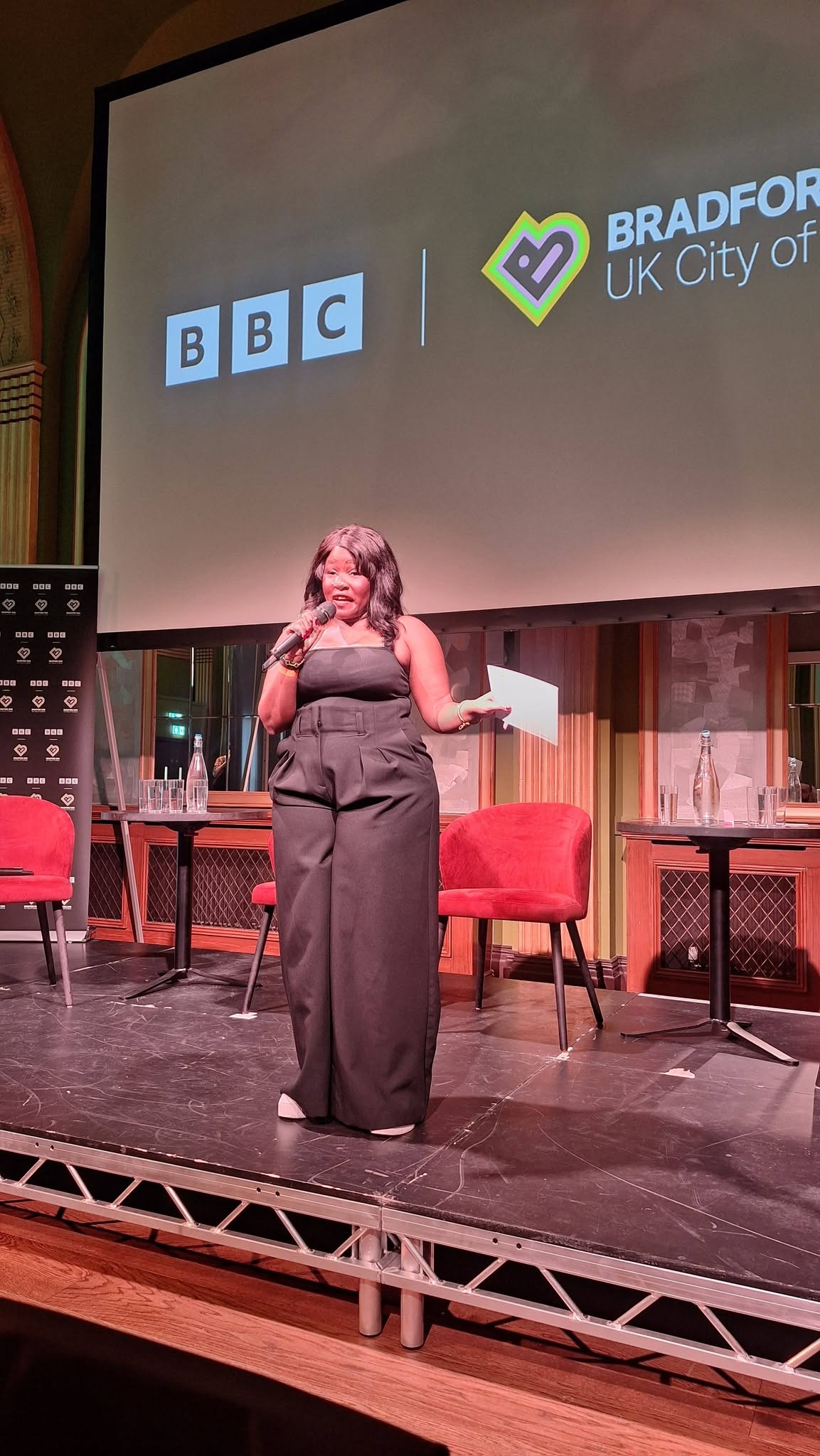
Engage Communities Nationwide – To build a national movement starting in Bradford.

Empower Ambassadors – To support ambassadors who represent leadership and contribution.

Educate and Raise Awareness – To inform the public about the value of diversity.

Encourage Collaboration – To work with businesses and organisations for meaningful partnerships.

Inspire Future Generations – To motivate young people to achieve and contribute.

Strengthen Community Cohesion – To build lasting relationships and a shared sense of belonging.

WATCH THIS SPACE FOR MORE UPDATES

DO NOT MISS THE BRADFORD AFRICAN FESTIVAL OF ARTS TAKING PLACE IN AUGUST – GET YOUR TICKETS TODAY

Overview

Get ready to immerse yourself in the vibrant world of African cinema at BAFA’s 2026 – a cultural experience not to be missed!

About the Festival

The Bradford African Festival of Arts (BAFA) is a dynamic cultural celebration bringing the richness of African heritage, creativity, and contemporary expression to the heart of Bradford. The festival serves as a vibrant platform where art, culture, dialogue, and enterprise come together to inspire connection, collaboration, and community engagement.

Across seven days, BAFA will feature an exciting programme of live performances, including music, dance, theatre, and spoken word, alongside curated art exhibitions showcasing both traditional and contemporary African creativity. Attendees will also experience thought-provoking panel discussions with artists, policymakers, academics, and industry leaders, as well as business and networking sessions focused on the creative economy, trade, and cross-cultural collaboration.

Each day takes place across selected venues in Bradford, offering a unique and immersive experience that reflects the city’s cultural diversity and energy. From opening celebrations to a powerful closing ceremony, BAFA highlights African identity, innovation, and global influence.

Whether you are a creative, entrepreneur, student, policymaker, or cultural enthusiast, BAFA offers a space to connect, learn, and celebrate. Join us in Bradford for a landmark festival where culture comes alive and communities come together.

● 🎨 Live Art Exhibition & Workshop

● 🎶 Music & Dance Performances

● 🧵 African Fashion & Textiles Showcases

● 🍲 African Food Market & Cooking Demos

● 👨‍👩‍👧‍👦 Family & Community Engagement Activities

GET YOUR TICKETS NOW BY CLICKING ON THE LINK BELOW

https://www.eventbrite.co.uk/e/bradford-african-festival-of-art-bafa-2026-tickets-1992427870395

ROLE MODEL OF THE WEEK , MR GEOFF THOMPSON MBE

With over three decades of experience in leadership development and executive coaching, Geoff Thompson MBE is a distinguished figure in the realm of personal and professional growth. As a five-time world karate champion and contributor to numerous articles and books, Geoff combines his unique insights from competitive sports with proven coaching methodologies to inspire and empower leaders across various industries. He is also a leading light in the development for peace movement through his work as founder and Chair of the Youth Charter and his work in the bidding, hosting and legacy of major games.

Geoff’s journey began in the world of martial arts, where he not only excelled as a champion but also learned the essential principles of discipline, resilience, and mental fortitude. These principles form the foundation of his coaching philosophy, enabling him to guide executives and teams in overcoming challenges and achieving their highest potential.

As an MBE recipient, Geoff’s commitment to excellence and community service has earned him recognition and respect. His coaching practice focuses on cultivating authentic leadership qualities, fostering collaboration, and driving motivation within organizations. Through tailored coaching sessions, workshops, and keynote speeches, Geoff helps leaders navigate the complexities of today’s business landscape, enhancing their ability to inspire their teams and drive sustainable success.

Geoff’s engaging style and practical approach have made him a sought-after coach and speaker, with clients ranging from startups to multinational corporations. He believes in the power of storytelling and personal experience as tools for transformation, through equality, diversity and inclusion, encouraging leaders to embrace vulnerability and authenticity in their journeys.

Whether you are looking to enhance your leadership skills, boost team motivation, or develop a strategic vision for your organization, Geoff Thompson MBE is dedicated to helping you unlock your potential and achieve remarkable results. Connect with Geoff to explore how his coaching can elevate your leadership journey and transform your organization.