MULTIPLE AWARD WINNER, AUTHOR,, CORPORATE MC, MENTOR, PROMOTER & AMBASSADOR FOR PEACE -UNIVERSAL PEACE FEDERATION. WE PROMOTE THE SUCCESS STORIES OF AFRICANS & CARIBBEANS AROUND THE WORLD. CONTACT US NOW ON +447882809005
Join us for a hands-on, women-only Jira training session designed to empower you with the skills to manage projects like a pro. Whether you’re new to tech or looking to level up your project management game, this virtual session will walk you through the essentials of Jira—from setting up your first project to navigating Agile boards and tracking tasks efficiently.
Come ready to learn, connect, and grow in a supportive space created just for women in tech. Let’s build your confidence with the tools that drive top-performing teams!
Daberechi Elechi is the visionary founder and creative director behind Dabbybankz Clothing, a contemporary African fashion brand making waves in both the United Kingdom and Nigeria. Driven by a passion for cultural storytelling and modern elegance, Daberechi has successfully blended traditional African textiles like Ankara, Adire, and Aso Oke with Western-inspired cuts and designs, creating a unique style movement known as AfriFusion.
Founded with a mission to celebrate African heritage on global platforms, Dabbybankz Clothing has grown into a cross-continental brand, proudly offering bespoke, ready-to-wear, and custom-made pieces that speak to fashion lovers across generations and borders. With a strong presence in the UK fashion scene and deep roots in Nigeria’s vibrant culture, the brand showcases collections that are bold, timeless, and unapologetically African.
From exhibitions and fashion shows to international doorstep delivery, Dabbybankz continues to lead a new wave of African luxury fashion for a global audience — where tradition meets innovation, and style knows no boundaries.
From Battleground to Ballot Box: A Chance at Lasting Renewal for Burkina Faso by Collins Nweke
Captain Ibrahim Traoré’s rise to power in Burkina Faso has captured the imagination of a continent weary of broken promises and deepening insecurity. Young, charismatic, and unapologetically nationalist,
Traoré has, in the eyes of many, offered a rare glimpse of courageous leadership in an age of widespread political malaise. His resolute stance against terrorism and neo-colonial influence has resonated particularly among African youth, yearning for dignity and authentic sovereignty. Yet, even the brightest flames of hope risk being extinguished if not anchored in legitimate, accountable governance.
The extension of military rule until at least 2029, the suspension of the constitution, and the decision to sever ties with regional institutions like ECOWAS paint a troubling picture.
While Traoré’s government cites national security as the paramount concern, history reminds us that protracted military rule, however well-intentioned, often sows the seeds of authoritarianism and renewed instability. Burkina Faso, and indeed Africa, cannot afford another cycle of broken dreams.
A Clearer Path Forward Captain Traoré must urgently commit to a credible and phased democratic transition.
While security challenges are real, they must not become a permanent excuse for suspended freedoms. A clear, publicly disclosed roadmap toward civilian rule, with realistic but firm timelines, would not only reassure citizens but also provide a framework for rebuilding trust with regional and international partners.
Furthermore, the inclusiveness of the transition process will be key. National dialogues involving civil society, opposition groups, traditional leaders, and the youth must shape the future constitutional and electoral architecture.
Transition should not be a military-to-military handover robbed in civilian agbada, but a genuine reimagining of governance that addresses the root causes of Burkina Faso’s cycles of unrest.
Thirdly and as importantly, re-engagement with ECOWAS and the African Union is crucial. Isolation may bolster a certain narrative of sovereignty in the short term, but regional solidarity offers indispensable political, economic, and security lifelines. Burkina Faso should seek to negotiate an honourable return to ECOWAS by presenting a credible transition plan and requesting support in counterterrorism, electoral management, and post-conflict recovery.
Moreover, the economic case for a return to democracy is overwhelming. Political instability and sanctions have severely disrupted Burkina Faso’s trade flows, access to financial aid, and investor confidence.
Membership in ECOWAS and closer ties with the international community unlock preferential trade agreements, development funding, and regional market access critical for post-conflict reconstruction.
Democratic legitimacy would open doors to concessional financing, boost agricultural and mining exports, and attract responsible investment, enabling the country to leverage its vast human and natural resources more effectively. No successful economic renaissance can thrive in an environment of isolation and uncertainty.
Finally, Captain Traoré must recognize that international legitimacy strengthens national sovereignty rather than undermines it. Strategic partnerships, not submission, should be the goal. Burkina Faso needs a balanced diplomatic offensive rooted in its best interests. There cannot be a better way to achieve this than reassuring traditional partners, while exploring new ones.
Hope Rooted in Action Burkina Faso today stands at a crossroads. Captain Traoré’s popularity, earned through courage and defiance, grants him a historic opportunity few leaders are given: the chance to build a new, resilient democracy that is both sovereign and accountable. But goodwill is finite. Without tangible steps toward democratic governance, economic revitalization, and regional reintegration, today’s hope risks mutating into tomorrow’s regret. Africa, and Burkina Faso in particular, needs leaders who can defeat terrorism and poverty without defeating democracy in the process. The world is watching. But more importantly, so are the good Burkinabé people.
ABOUT THE AUTHOR – HON COLLINS NWEKE BASED IN BELGIUM
The author, Collins Nweke is a former Green Councillor at Ostend City Council, Belgium, where he served three consecutive terms until December 2024. He is a Fellow of both the Chartered Institute of Public Management of Nigeria and the Institute of Management Consultants.
He is also a Distinguished Fellow of the International Association of Research Scholars and Administrators, where he serves on its Governing Council. He writes from Brussels, Belgium. LinkedIn: @collinsnweke | X: @collinsnweke | E: admin@collinsnweke.eu | W: http://www.collinsnweke.eu



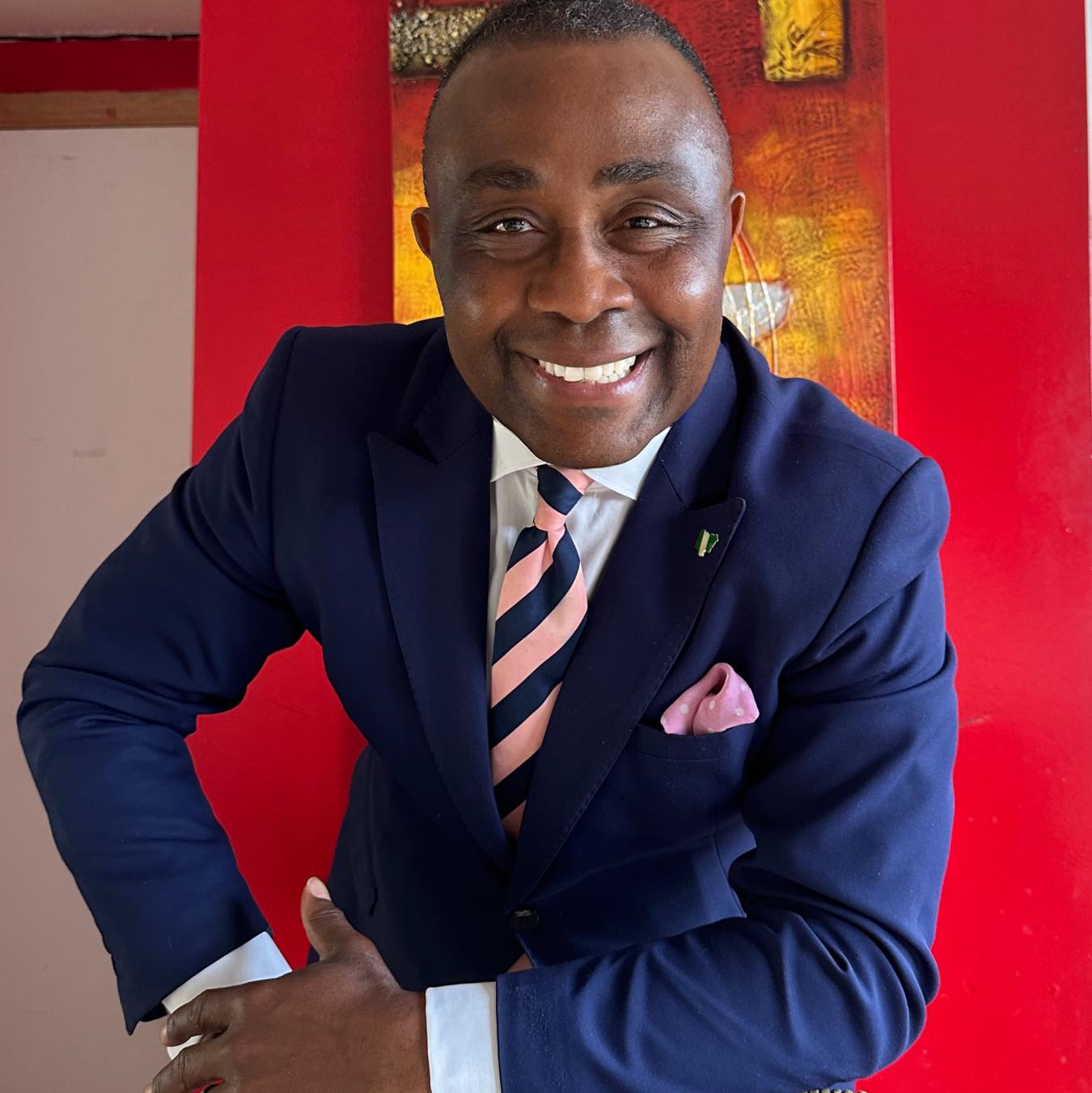
 TONY TOKUNBO ETEKA FERNANDEZ